Alcohol Detox & Treatment in the Los Angeles Area
- Physician-supervised, 24/7 medical detox
- Owned & run by two physicians
- MAT started before discharge
- Care in English, Spanish & Korean
Prefer to talk? Call 24/7: (818) 264-4388
What is alcohol use disorder (AUD)?
Alcohol use disorder (AUD) is a medical condition characterized by an impaired ability to stop or control alcohol use despite negative consequences to health, relationships, or work (National Institute on Alcohol Abuse and Alcoholism, NIAAA). It exists on a spectrum from mild to severe, and it's a treatable brain condition, not a lack of willpower or a moral failing. Millions of adults live with AUD, and recovery is absolutely possible with the right medical care.
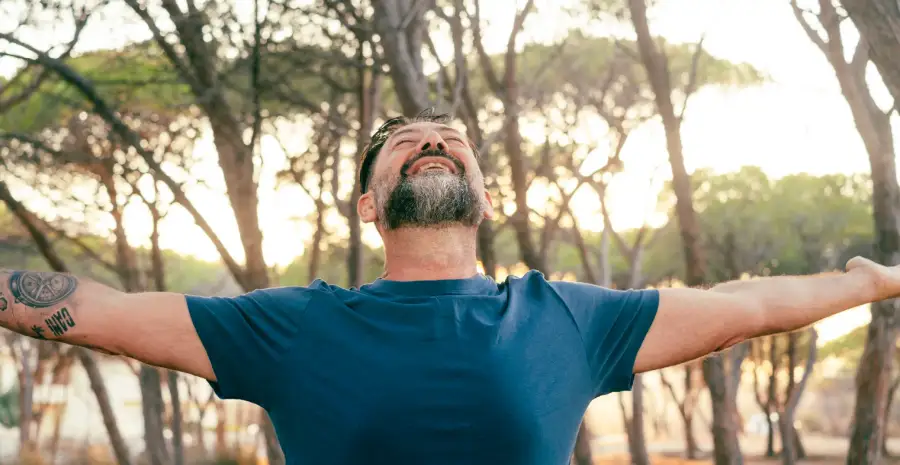
Recovery is more than not drinking
Getting through withdrawal is just the start. Real recovery rebuilds the parts of life alcohol crowded out, your health, your relationships, your sense of control.
- Whole-person medical care
- Therapy & peer support
- Healthy routines that last
Signs and symptoms of alcohol use disorder
Clinicians diagnose AUD using 11 criteria from the DSM-5. In the past year, have you:
- Had times when you drank more, or longer, than you intended?
- Wanted to cut down or stop, but couldn't?
- Spent a lot of time drinking or recovering from its effects?
- Experienced strong cravings to drink?
- Found that drinking interfered with home, work, or school?
- Kept drinking despite relationship problems it caused?
- Given up activities you cared about in order to drink?
- Gotten into dangerous situations during or after drinking?
- Continued drinking despite a physical or mental health problem it caused or worsened?
- Needed to drink more to feel the effects (tolerance)?
- Experienced withdrawal symptoms when the alcohol wore off?
Severity is measured by how many criteria apply: 2–3 = mild, 4–5 = moderate, 6 or more = severe (NIAAA / DSM-5). Even mild AUD is worth addressing early.
Why alcohol detox needs medical supervision
Alcohol is one of the few substances whose withdrawal can be life-threatening. Symptoms range from anxiety, tremors, sweating, and insomnia to, in serious cases, seizures and delirium tremens (DTs), a medical emergency. This is exactly why you should never detox from heavy alcohol use alone. At Regain Hope Detox and Recovery Center, alcohol detox is physician-supervised 24/7, with medications to ease symptoms and prevent dangerous complications.

Care that protects the months ahead
The highest relapse risk comes after treatment ends, so we plan for it from day one, with medication and follow-up that carry your progress home.
- Relapse-prevention planning
- MAT to protect sobriety
- Personal follow-up after discharge
How we treat alcohol addiction
Recovery is more than getting through withdrawal. It's building a life that no longer needs alcohol. Our physician-led continuum:
Medical Detox
Safe, medically managed alcohol withdrawal.
Learn more →Residential Treatment
Live-in therapy and skill-building in a home-like setting.
Learn more →Medication-Assisted Treatment
FDA-approved medications to reduce cravings and protect sobriety.
Learn more →Dual-Diagnosis Care
Treating the anxiety, depression, or trauma underneath the drinking.
Learn more →Continuing Care
Relapse-prevention planning, referrals, and personal follow-up.
Learn more →Medications that help with alcohol recovery
NIAAA recognizes several FDA-approved medications for alcohol use disorder, including naltrexone (which reduces cravings and is available as the long-acting injection Vivitrol), acamprosate, and disulfiram. At Regain Hope Detox and Recovery Center, our physicians prescribe medication-assisted treatment when appropriate, and we often start a long-acting option like Vivitrol before discharge to protect your sobriety.
Alcohol and co-occurring mental health
Alcohol use disorder frequently co-occurs with depression, anxiety, and trauma. Each can fuel the other. Treating only the drinking, while ignoring what's driving it, often leads back to relapse. Our integrated dual-diagnosis care addresses both at once.
When should you seek help for drinking?
There's no need to "hit rock bottom" before getting help, in fact, addressing alcohol use earlier leads to better outcomes. Consider reaching out if drinking has started to affect your health, relationships, work, or sense of control, or if you've tried to cut back and couldn't. Over time, heavy alcohol use can contribute to serious health problems, including liver disease, heart and blood-pressure issues, a weakened immune system, and an increased risk of certain cancers (NIAAA), and it can deepen anxiety and depression. The encouraging truth: the body and mind have a remarkable capacity to heal once drinking stops, and the earlier you act, the more you protect. If you're asking yourself whether your drinking is a problem, that question itself is worth a conversation, and ours is free, confidential, and judgment-free.
Real doctors. On-site. Every day.
Most detox centers run on a rotating staff with a physician who checks in by phone. Regain Hope Detox and Recovery Center is owned and run by two physicians who care for you in person. Here's why that changes everything.
Most centers
- Rotating staff; a doctor checks in remotely
- Orders and changes happen over the phone
- You're one of dozens of clients
Regain Hope Detox and Recovery Center
- Two physicians on-site, in person, every day
- Medication adjusted at the bedside, same day
- A small program where you're known by name
It's 2 a.m. and withdrawal spikes
A physician is on-site to respond and adjust your medication, not a nurse waiting on a callback.
You have diabetes or high blood pressure
A doctor trained in internal & family medicine manages it right alongside your detox.
A medication isn't working for you
The physician who owns the program changes it in person, the same day.
By NIAAA's estimate, roughly 28.9 million people ages 12 and older in the U.S. live with alcohol use disorder in a recent year. It is one of the most common, and most treatable, conditions we see.
Rated 5.0 on Google
★★★★★ 5.0 · 15 reviews
“The Doctors and staff are truly amazing. Dr. Gomez is selfless, compassionate, brilliant, and the perfect person to help you. Absolutely every person who works there is kind, patient, and extremely supportive. The facility is immaculate, and overall it is a safe, comfortable and nurturing environment for healing.”
“This place was amazing, the staff was great, I highly recommend them, They really care, I know I appreciate what they did for me! You will to, Trust me, if you come here, you want regret it!”
“Its a miracle come true. Almost seems like one of those things you dont seem to belive until you experience it, an I did. Every since day one until the end everyone is so nice an understanding an will work with you do get whatever you need done. I absolutely love it here hate im goin but im sure they have got me to where I need to be physically an mentally.. I've had the best experience that I could have ask for. I really an truly learned so much an seen so much. If you need help here is the place to be I promise you. Thanks docs an the rest of the staff I really do love you guys, just like family I will miss yall”
“Regain Hope Detox and Recovery Center in Burbank, CA absolutely changed my life.This is exactly what a detox center should be. From the day I arrived until my graduation 40 days later, every moment was filled with love and care that felt like family.The first week was physically rough, but the staff supported me in every way imaginable. When I didn't feel like eating or getting out of bed, Yolanda the house chef brought me homemade chicken soup, fed me, and gently encouraged me. She made me feel truly welcome.The entire team treated me like a person worthy of the very best. Medical care was excellent — vitals, bloodwork, and constant attention to my wellbeing. Dr. Gomez and Dr. Yoo are outstanding doctors with the biggest hearts. They visited often, even on days off, and went above and beyond.For the Fourth of July, Dr. Yoo came in and barbecued ribs, hamburgers, and hot dogs for us. They even made sure we could watch the big fight. Moments like that meant everything.Whether the house was quiet or full, guest comfort and recovery were always the priority. Andy took us on great outings to Hollywood Blvd., Santa Monica Pier, and Venice Beach. Russell led fun walks, and the laughter with the techs (Patricia, Alex, Miguel, Jonathan, and others) was nonstop. Sara helped me with career ideas, and Jackie became a real friend — we spent many nights talking and watching movies.I mention them because each person played a meaningful role in my recovery and made me feel worthwhile.Dr. Gomez took us to tour excellent aftercare and sober living homes. As a MAT center, their medical expertise made detox far more comfortable than I expected. Weekly sessions with counselor Jack and therapist Nora were also very helpful.The facility is beautiful, with comfortable rooms, giant TVs, a nice kitchen, shaded patio with Jacuzzi, a gym with Peloton, games, and scheduled activities like yoga, aerobics, and music lessons.I've been home nearly three weeks and I'm still clean with real hope for the future. The personalized care here overwhelmed me — I was brought to tears multiple times by how much attention was given to each individual.I could honestly write a book about this place. They don't just treat patients — they genuinely love and believe in you.Thank you to the whole team. I love you all!”
“My experience at Regain Hope Detox and Recovery Center was wonderful! The space is beautiful, inviting and creates the perfect environment for healing. The Doctors are fantastic, and give a highly personalized and caring experience to guests which makes their six person capacity just the right size. The Staff is lovely and the meals are excellent. Highly recommend this center!”
“Whew this is a good one I have waited this long because I wanted this one to be special. Let's start by saying Regain Hope saved my life in ways I never imagined. Not only did they cater to my every needs they event above and beyond to make my detox as comfortable as possible the staff was super friendly they taught me how to prepare for a life of sobriety that matched my energy Dr Gomez was just awesome she made sure to keep us busy doing fun stuff and every time she came she always had a smile on her face and greeted us with love and kindness and that went a long way Carlos thanks for keeping the fridge stocked with milk you did that sir. We went on really nice outings my favorite was the ocean and the LA ZOO. We also had a special guest named Wes that came and taught us about music and even showed us how to salsa and tango and it was a complete blast. The groups helped me find myself in my. Recovery they taught me relapse prevention skills that I'm currently applying to my life today. Please keep Regain hope in mind when looking for a treatment center because they are the best around the house was very organized and I can't forget our chef Patricia love you Patricia your cooking was phenomenal wish I had a chef life you at the sober living I'm at now but I guess the one we have will do for now. I learned one important thing about Regain Hope while I was there and that's I'm not just a number but that I'm Family and they treated me as such and I'll always remember the hard work they did to make me a better version of myself I love you guys and I will be back soon (to visit of course) thank you for helping me get sober.”
“I graduated successfully from Regain Hope on 6/24/26. Honestly, the staff has become a huge part of my recovery. They made it so much easy for me to do the 30 days, Much love to the doctors our dear chef Yolanda and the whole staff. I'm so glad I chose this place. Thank you!”
“Regain Hope Detox and Recovery completely changed my expectations of what treatment could be like. The two doctors are genuinely caring, compassionate, and always go above and beyond to make sure I get the best possible care and health outcome. Their staff are just as incredible. In past detoxes, I often felt treated like a number, but there they truly make you feel valued and cared for as a person. The level of compassion and attention they give is something special.”
“My experience at this rehab truly changed my life, and there are so many people there I'll never forget because of the kindness, support, and heart they showed me during one of the hardest times in my life. Yolanda, the cook, brought so much comfort and warmth into the place every single day. It wasn't just the food, although it was always amazing 😭, it was the love and care behind it. She had a way of making people feel at home, even on the roughest days, and those small moments meant everything. Dr. Gomez treated me with genuine compassion and respect from the beginning. I never felt judged or looked down on. She listened, encouraged me, and helped me believe I was capable of getting better even when I doubted myself. That kind of kindness can truly change someone. Carlos made such a huge impact on my recovery journey too. His patience, encouragement, and sense of humor helped me get through some really difficult moments. He knew how to make people laugh when they needed it most and reminded us that healing doesn't mean losing joy. I also really appreciated the owners and how attentive they were to everyone's needs. They didn't make the facility feel cold or clinical. They made it feel like home. You could tell they genuinely cared about the people there and wanted us to feel comfortable, safe, and supported while we healed. One of the things that touched me most was how they handled Christmas. Being away from family during the holidays is incredibly hard, but they went out of their way to make it feel special and comforting for all of us. They created an atmosphere full of warmth, love, laughter, and togetherness that made being away from home a little easier. That kindness meant more than words can really explain. I also want to recognize the entire staff because every single person there played a part in making my experience meaningful. From the techs to the counselors to everyone working behind the scenes, they treated us with patience, understanding, and genuine care. They celebrated our progress, supported us on our hardest days, and never made us feel alone. You could tell this wasn't "just a job" to them. The compassion they showed every day made a lasting impact on me. What I'll always remember most is that this place gave me more than recovery tools. It gave me memories, laughter, and moments of real connection. We had so many fun times together, and in a place where everyone is fighting their own battles, those laughs and shared moments meant more than people probably realize. We supported each other like family. Recovery is hard, messy, emotional work, but the people here helped make it feel possible. I'm deeply grateful for everyone who helped me along the way, and I'll carry those memories and lessons with me for the rest of my life. ❤️”
Your insurance may cover treatment
Most PPO plans cover medical detox and residential care. As an out-of-network provider, we verify your benefits free in about 5 minutes, no obligation.







Alcohol treatment, frequently asked questions
Is it dangerous to detox from alcohol at home?
It can be. Alcohol withdrawal can cause seizures and delirium tremens, so medically supervised detox is strongly recommended.
How long does alcohol detox take?
Typically 5–10 days depending on your history and health; your physician sets the timeline.
What medications help with alcohol cravings?
FDA-approved options include naltrexone (and the long-acting injection Vivitrol), acamprosate, and disulfiram.
Can alcohol use disorder really be treated?
Yes, it is a treatable medical condition, and many people achieve lasting recovery with the right care.
What if I'm also struggling with depression or anxiety?
We treat co-occurring mental health alongside alcohol use through integrated dual-diagnosis care.
Does insurance cover alcohol treatment?
Most PPO plans do. As an out-of-network provider, we verify your benefits for free.
Clinical information on this page is informed by the National Institute on Alcohol Abuse and Alcoholism (NIAAA).
The people who care for you
A small, close-knit clinical team, on-site and personally involved in your care.
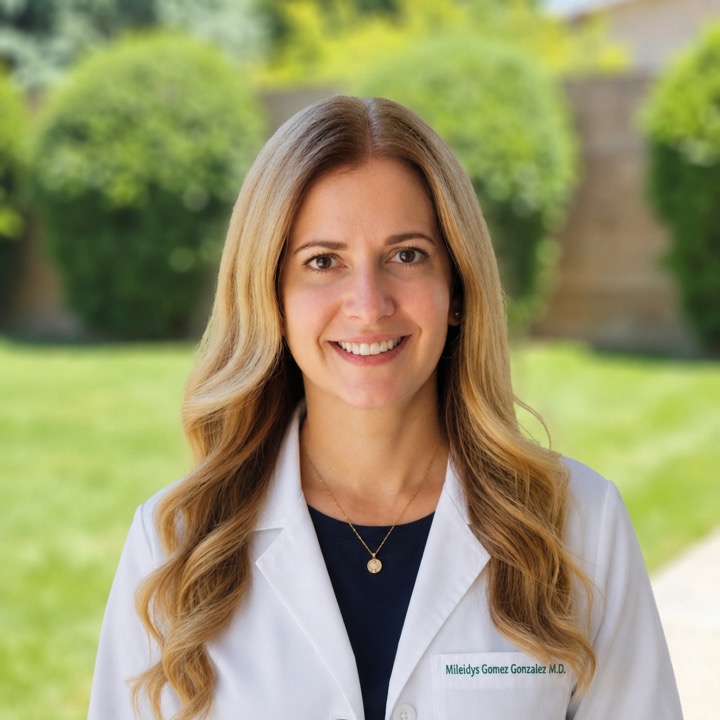
Mileidys Gomez Gonzalez, MD
Founder, CEO & Addiction Medicine SpecialistFounder, CEO, and Addiction Medicine Specialist at Regain Hope Detox and Recovery Center. With more than 20 years of medical experience, Dr. Gomez leads all clinical care and sees clients in person every day.
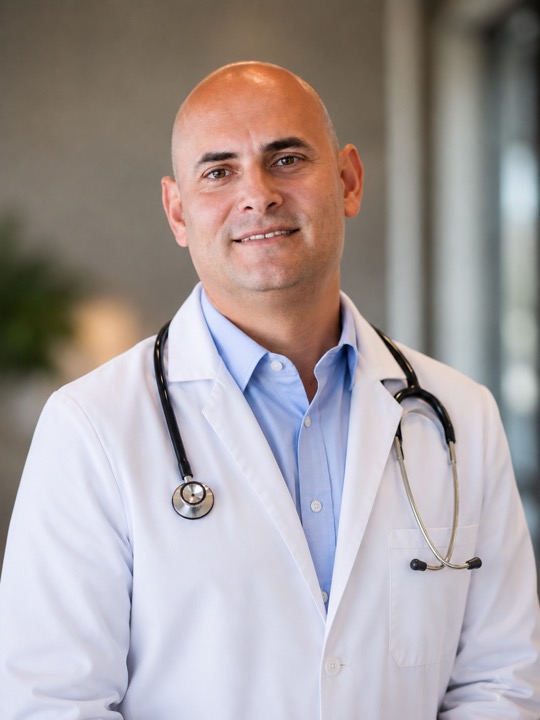
Alexis Gomez Gonzalez, MD, MSN, FNP-BC, PMHNP-BC
Psychiatric Mental Health Nurse Practitioner & Family Nurse PractitionerBoard-certified Psychiatric Mental Health Nurse Practitioner and Family Nurse Practitioner with over two decades of experience in psychiatry, addiction medicine, and primary care, caring for the mind and body together.
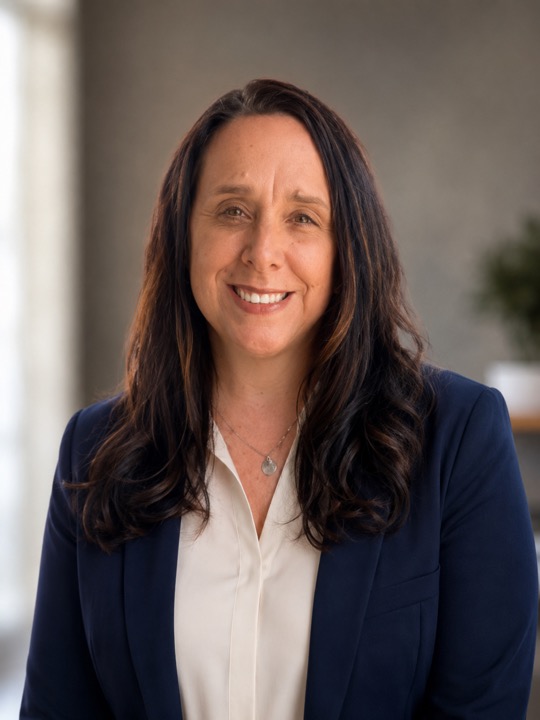
Nora A. O'Connor, LCSW
Licensed Clinical Social WorkerLicensed Clinical Social Worker with more than 20 years of experience helping clients navigate addiction, trauma, mental health, and life transitions through a warm, trauma-informed approach.
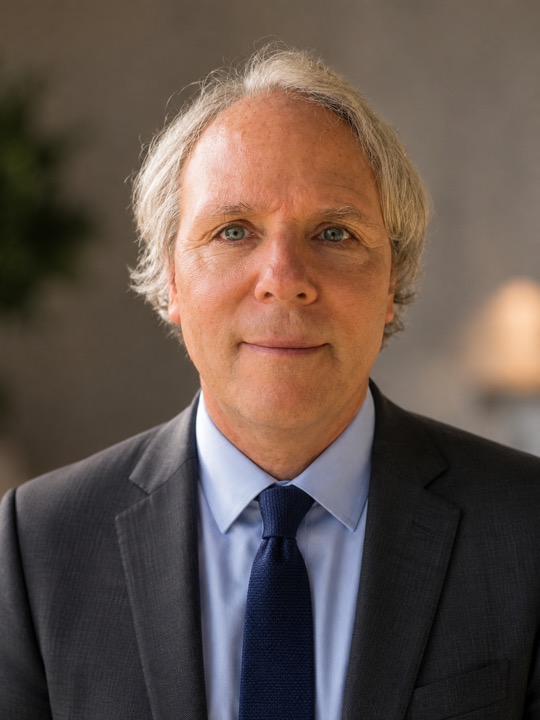
Jack Gould, CADC
Substance Abuse CounselorCertified Alcohol and Drug Counselor with more than a decade of experience, bringing a grounded, compassionate, and creative approach to recovery counseling.
Recovery from alcohol starts with one call
Alcohol withdrawal is safer with doctors who are actually there. One confidential call, answered 24/7, is the first step.