How Long Does Alcohol Detox Take? A Day-by-Day Timeline
One of the first questions people ask when they're ready to stop drinking is simple: how long will this take? For most people, medically supervised alcohol detox lasts about 5 to 10 days, but the honest answer is that it depends on how much and how long you've been drinking, your overall health, and whether you've been through withdrawal before. That's true even for a high functioning alcoholic who has never missed a day of work. Here's what each phase actually looks like.
What happens during alcohol detox
Medical detox is the process of safely clearing alcohol from your body under 24/7 medical supervision, while a care team manages withdrawal symptoms with medication and monitoring. It's the critical first step of treatment, stabilizing you physically so the real work of recovery can begin. Because alcohol withdrawal can be genuinely dangerous, it should never be done alone.
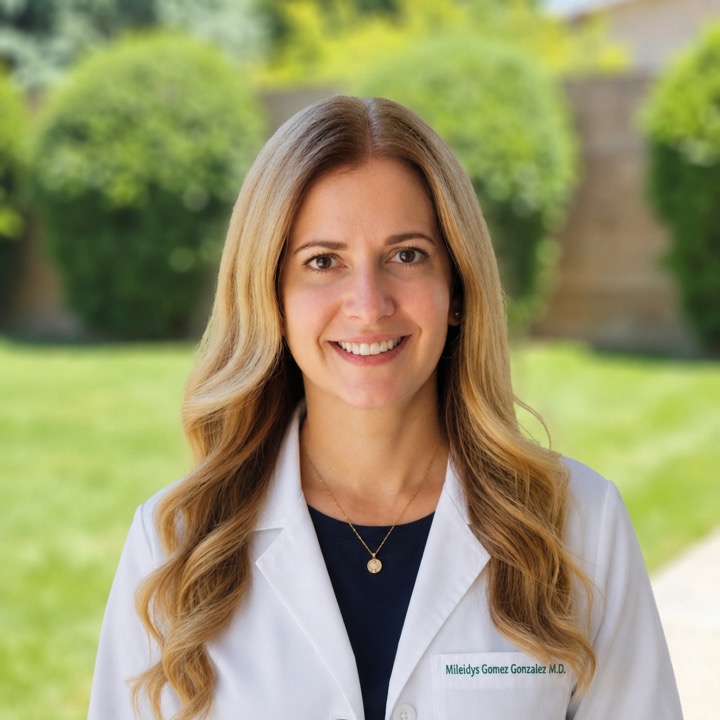
At Regain Hope Detox and Recovery Center, detox is overseen in person, every day, by the two physicians who own the program, adjusting medications and watching your full health as symptoms come and go.
The alcohol detox timeline, day by day
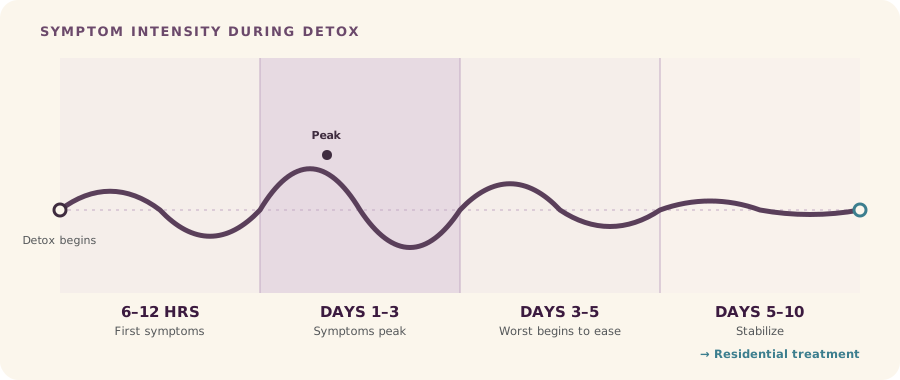
Everyone is different, but a typical course follows this rhythm:
- 6–12 hours: The first symptoms appear: anxiety, shakiness, headache, nausea, trouble sleeping.
- Days 1–3: Symptoms usually peak. This is when medication matters most, easing discomfort and protecting against dangerous complications. Clients are monitored around the clock.
- Days 3–5: The worst typically begins to ease. Sleep and appetite start to return, though mood and cravings can linger.
- Days 5–10: Most people stabilize and transition into residential treatment, where the focus shifts from getting through withdrawal to building a life without alcohol.
A safer, more comfortable detox
Two physicians on-site daily, we verify your insurance for free.
Why alcohol detox can be dangerous
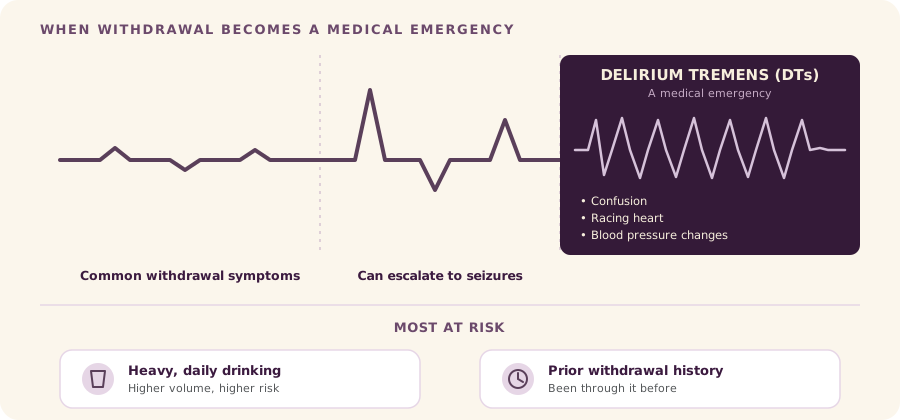
Alcohol is one of the few substances whose withdrawal can be life-threatening. In more serious cases, it can cause seizures and delirium tremens (DTs), a medical emergency marked by confusion, racing heart, and dangerous changes in blood pressure. The people most at risk are those who drink heavily and daily, or who have been through withdrawal before. This is exactly why detoxing at home is so risky, and why medical supervision dramatically improves both safety and comfort.
What happens after detox
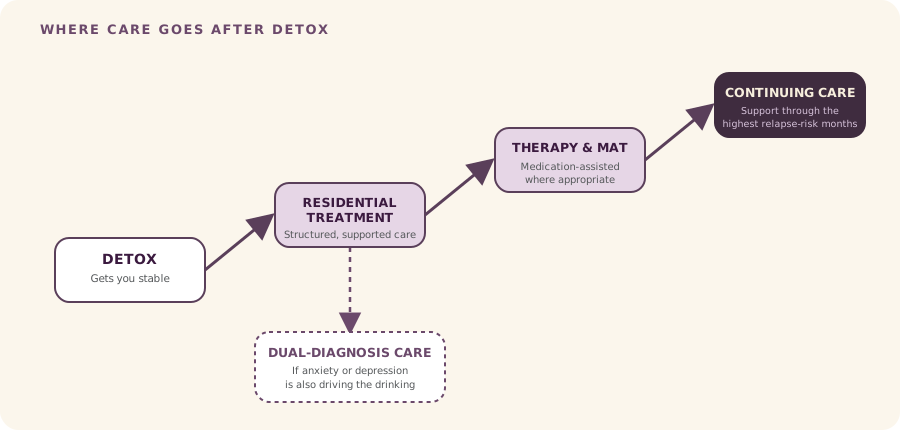
Detox gets you stable; it doesn't, by itself, treat the addiction. That's why a strong plan flows directly from detox into residential treatment, therapy, and, where appropriate, medication-assisted treatment — such as naltrexone — to protect against relapse. From there, a continuing-care plan keeps you supported in the months when relapse risk is highest. If anxiety or depression has been driving the drinking, dual-diagnosis care treats both together.
The timeline of detox is short. The decision to start it is the hard part, and it's one confidential phone call away.
Sources
- National Institute on Alcohol Abuse and Alcoholism (NIAAA): Understanding Alcohol Use Disorder.
- Substance Abuse and Mental Health Services Administration (SAMHSA): detoxification and withdrawal management guidance.