Does Ozempic Help With Alcohol Cravings?

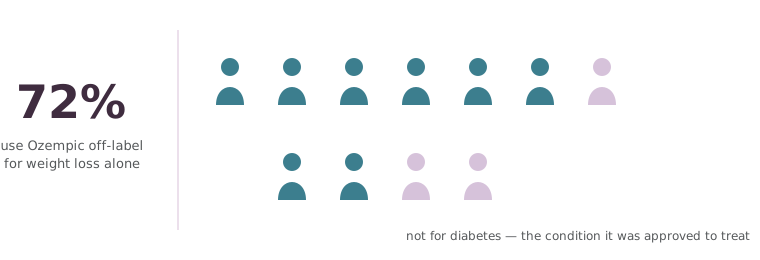
Ozempic is an FDA-approved medication for type 2 diabetes, but it has also recently gained popularity as an off-label drug for weight loss. In this context, it reduces appetite and leads to a calorie-deficient diet that contributes to weight loss—and the majority of people who take Ozempic do so for this purpose.
Alcohol is a high-calorie drink, and people considering Ozempic often wonder whether it specifically lowers alcohol cravings. The simple answer is yes, Ozempic can help, but it is not a medication designed to treat alcohol use disorder (AUD), and it should not substitute structured recovery care.
In this article, I explain what Ozempic is, how it works, and why it isn’t a stand-alone treatment for AUD.
What Is Ozempic?
Ozempic is the brand name of a medication containing semaglutide. It is prescribed to adults who have type 2 diabetes to help improve blood sugar levels. It can also lower the risk of stroke, heart attack, and heart disease, as well as kidney disease, among people with type 2 diabetes.
As an off-label prescription, Ozempic is used for weight management and loss. It’s less commonly used to treat Alzheimer’s disease and polycystic ovary syndrome (PCOS).
Ozempic is available in pill form or as an injection. Pills are taken once per day, usually in the morning before eating food. Injections are self-administered once a week, via an Ozempic pen.
Physician-led detox & MAT
Two physicians on-site daily. We verify your insurance for free.
How Does Ozempic Work?
Ozempic is a GLP-1 receptor agonist that mimics GLP-1, a hormone made in the small intestine. GLP-1 does the following:
- Tells the pancreas when to release insulin as blood sugar levels rise after eating
- Blocks glucagon (another hormone) and prevents blood sugar levels from rising
- Slows digestion so the body releases less glucose from food into the bloodstream
- Affects the area of the brain that processes hunger
For type 2 diabetes, Ozempic manages blood sugar by triggering the release of insulin to control blood sugar levels. At the same time, it slows digestion to reduce blood sugar spikes. Its combined effects reduce the risk of cardiovascular events and decline in kidney function.
For weight management and loss, Ozempic lowers appetite, hunger, and food intake. In a study of obese patients with polycystic ovary syndrome, 80% achieved a weight loss of at least 5% after three months on semaglutide, alongside improvements in insulin resistance and blood glucose.
Does Ozempic Lower Alcohol Cravings and Intake?
Yes, Ozempic can lower cravings for alcohol and subsequently help lower alcohol intake. It is important to note, however, that Ozempic is not a treatment for alcohol addiction. The medication lowers overall appetite and hunger levels, and alcohol is included in that process.
With Ozempic, the release of dopamine (the pleasure and reward hormone) is reduced when consuming substances such as sugar and alcohol. The desire to repeat the consumption and chase that feeling of “reward” is diminished, and cravings for sugar, alcohol, and other foods and drinks can fade along with it.
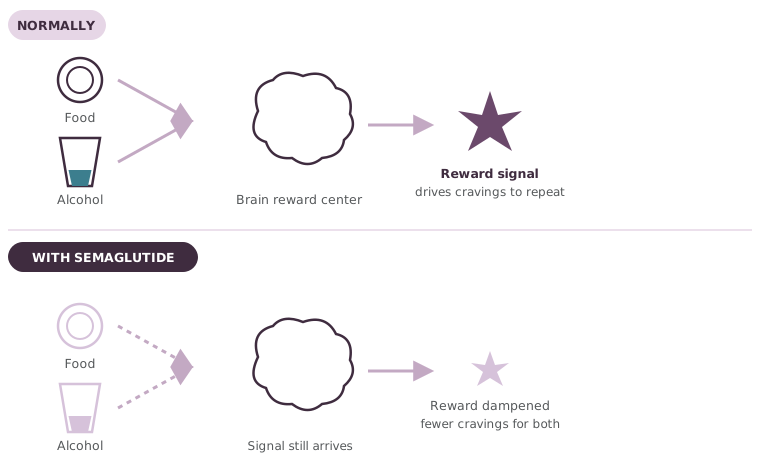
Dr. Lorenzo Leggio, Clinical Director of the National Institute on Drug Abuse (NIDA), has described it this way: the mechanism in the brain that regulates overeating overlaps with the mechanisms responsible for the development and maintenance of addiction, including alcohol use disorder. In his words, the drug effectively tells the brain, “We’ve had enough food here, so let’s slow down, let’s have less appetite, less food, less alcohol.”
A 2026 study on tirzepatide—a related GLP-1/GIP medication, not semaglutide itself, but in the same drug class as Ozempic—found that voluntary alcohol consumption fell by more than half in rodents, and the drug also helped prevent relapse-like drinking. Research specifically on semaglutide and alcohol intake in people is still early, limited mostly to anecdotal reports and a small number of studies.
In interviews and anecdotal reports, some people taking Ozempic describe stopping after a single alcoholic drink that would normally be followed by several more, or losing interest in alcohol altogether. These are individual accounts rather than data on how common the effect is, and researchers caution it’s too early to know how well it works for people who aren’t being treated for obesity or diabetes.
Side Effects of Ozempic
The most common possible side effects of taking Ozempic include:
- Nausea
- Vomiting
- Diarrhea
- Constipation
- Headaches
Other more serious, but less common, side effects include:
- Pancreatitis
- Gallbladder problems
- Low blood sugar
- Changes in vision
- Thyroid tumor (a boxed FDA warning)
Ozempic can also delay the effects of other drugs taken at the same time, because it delays gastric emptying and how substances are absorbed.
Can Ozempic Help Treat Alcohol Addiction?
The answer is complicated. Ozempic could help as part of treating alcohol addiction, but the research is still limited and small in scope. Using Ozempic alone to overcome alcohol addiction is not recommended and may not be effective. Cravings for alcohol are likely to return when Ozempic is stopped.
And while Ozempic may reduce cravings for alcohol, it does not address the deeper causes that drive addiction, such as trauma or co-occurring mental health disorders. Addiction is nuanced and requires structured treatment to move forward.
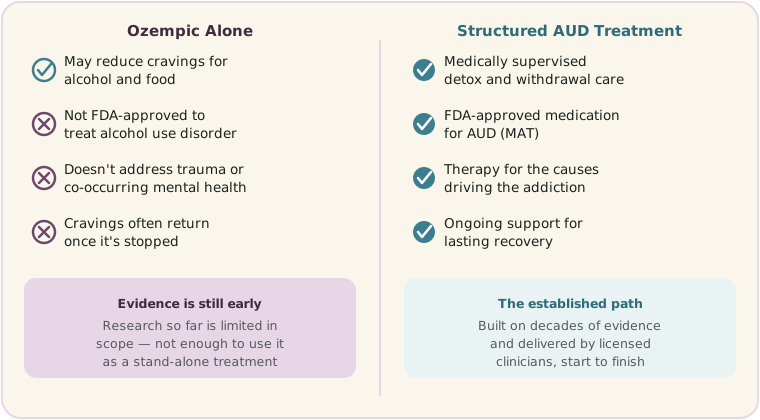
In the future, and with much more evidence, Ozempic and other approved drugs containing GLP-1 may be used as part of a larger treatment approach for alcohol addiction. For now, there simply isn’t enough proof that it is safe and effective for this purpose on its own.
Recovering from AUD requires medical detox to withdraw from alcohol and manage potentially life-threatening withdrawal symptoms. It then requires a series of care programs led by licensed physicians and made up of psychotherapy and medication-assisted treatment (MAT) to build stability, coping skills, and lifelong sobriety.
Trusted Alcohol Addiction Treatment at Regain Hope Detox, Burbank, CA
Our team of certified clinicians at Regain Hope Detox provides expert, empathetic care to help anyone struggling with addiction.
Our residential detox program supports people to safely withdraw from alcohol. The program includes individual and group therapy sessions, MAT, and wellness activities. We also have a dual diagnosis program designed for anyone experiencing addiction alongside a co-occurring mental health disorder such as depression or anxiety.
We tailor our care to each person, and we work with both individuals and couples, serving people in Burbank, Los Angeles County, and Southern California. Our care is available in English, Spanish, and Korean.
Hope is within reach. Regain yours today—contact our admissions team.
This article is intended for educational purposes only and should not replace personalized medical advice. If you believe you or someone else is experiencing a medical emergency, call 911 immediately.
Sources
- Al-Qaaneh, A. et al. (2025). Real-World Off-Label Use of Semaglutide for Weight Reduction: User Behavior, Effectiveness, and Satisfaction. Patient Preference and Adherence.
- Pillarisetti, L., Agrawal, D. (2025). Semaglutide: Double-Edged Sword with Risks and Benefits. Archives of Internal Medicine Research.
- Edvardsson, C. et al. (2026). Tirzepatide Reduces Alcohol Drinking and Relapse-Like Behaviours in Rodents. EBioMedicine.
- NPR. (2023). Ozempic Seems to Curb Cravings for Alcohol. Here’s What Scientists Think Is Going On. npr.org.
- MedlinePlus, National Library of Medicine. Semaglutide Injection. medlineplus.gov.