Gas Station Heroin: What Is It and Is It Dangerous?

Despite its name, gas station heroin is not heroin at all—it's tianeptine, a synthetic drug with opioid-like effects. Its street name comes from being widely available at gas stations, where people go to buy illicit substances. It can also be purchased online and in convenience stores.
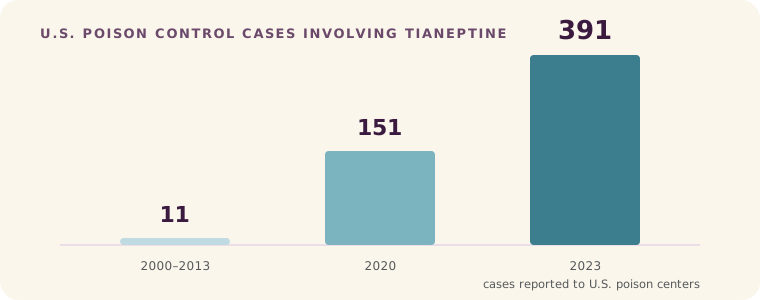
Gas station heroin is highly addictive and can quickly lead to physical dependence, even among people who haven't used substances before. It can also be life-threatening. Tianeptine is not FDA-approved for any use in the U.S., and a growing number of states have banned or restricted it. Poison control center cases involving tianeptine increased from 11 total between 2000 and 2013 to 151 in 2020 alone. By 2023, that number had climbed to 391 cases nationwide.
Below, I explain what gas station heroin is, what effects it has, and what treatment is available for it.
What Is Gas Station Heroin?
Gas station heroin is a colloquial name for tianeptine. In the U.S. it is not FDA-approved and has no accepted medical use; it is unscheduled at the federal level but banned or restricted in several states. In other countries, tianeptine is used as a prescription antidepressant. While it's not FDA-approved for any purpose here, some companies produce products containing it, falsely claiming it can treat anxiety and depression and provide pain relief.
Gas station heroin is often sold as part of dietary supplements and mood enhancers. Other names for gas station heroin include:
- Tia
- ZaZa
- Tianaa
- Pegasus
- Neptune's Fix
What Are the Effects of Gas Station Heroin?
At the low doses used for prescription therapy abroad (about 25–50 mg/day), tianeptine acts mainly on glutamate and serotonin signaling. However, at the much higher doses seen in misuse, it acts as a mu-opioid receptor agonist in the brain, causing effects similar to other opioids such as heroin, oxycodone, or morphine. Like those drugs, gas station heroin creates a euphoric "high" and sedation, and can produce the same physical and behavioral warning signs seen in other opioid addictions.
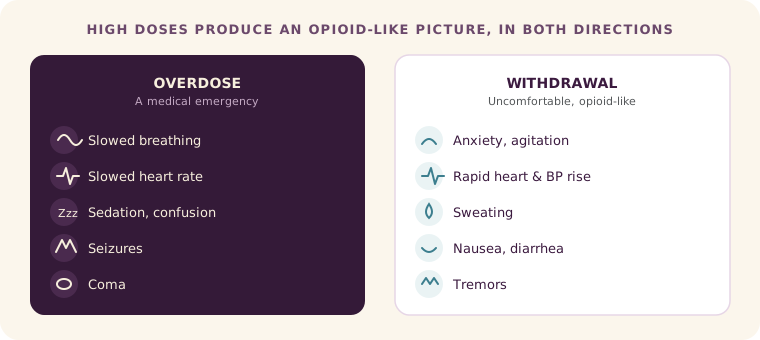
In overdose, gas station heroin produces an opioid toxidrome and can be life-threatening, especially at high doses. Withdrawal produces a different, but also opioid-like, picture. Tianeptine is highly addictive and can result in a substance use disorder (SUD). In one case, a person who had been using tianeptine for two weeks, taking 10–15 pills every day, had to take the drug every four to six hours to prevent withdrawal symptoms.
Physician-led detox & MAT
Two physicians on-site daily. We verify your insurance for free.
Is It Dangerous?
Yes, gas station heroin is dangerous. This year, someone at a gas station died from an overdose in Fayette County, Pennsylvania, while a woman elsewhere in the state died after accidentally overdosing on tianeptine. Years earlier, in 2018, two men in Texas died in the first known tianeptine fatalities in the United States, after obtaining tianeptine powder online.
Because gas station heroin is unregulated, it's impossible to know the exact number of fatalities and injuries it has caused. What is known is that it can worsen existing mental health disorders—one case report described a young man with major depressive disorder whose depression and suicidal ideation worsened as his tianeptine use escalated, a risk our dual diagnosis program is built to address (see why treating both conditions together matters).
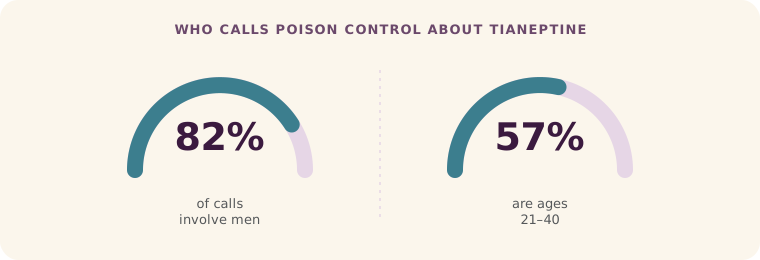
Other statistics show 82% of calls about gas station heroin involve men, and nearly 57% involve people aged 21–40.
On a Reddit forum for people trying to quit tianeptine, previous heavy users of opioids said the drug is more addictive than other substances they've tried. The DEA has found tianeptine powder in bulk, used by drug dealers to make counterfeit hydrocodone and oxycodone pills and to mimic bags of heroin.
The stories around tianeptine have been enough for the FDA to issue repeat warnings and to ask retailers to stop selling products that contain it.
Is There Treatment for Gas Station Heroin Addiction?
Yes, treatment is available and effective. Medical detox helps a person safely withdraw from the drug under 24/7 medical supervision, easing symptoms and cravings during the taper. In an acute overdose, naloxone—a fast-acting opioid antagonist related to medications like naltrexone—can reverse the opioid effects. Afterward, non-narcotic Medication-Assisted Treatment such as naltrexone/Vivitrol can help protect against relapse without introducing a new dependence.
After detox, when a person is physically stable, structured addiction programs including residential care and outpatient programs continue recovery efforts. These levels of care integrate evidence-based therapies such as Cognitive Behavioral Therapy (CBT), encouraging people to reframe thought patterns that fuel addiction. Activities to promote mindfulness, emotional regulation, and distress tolerance also complement therapies.
Seeking support for addiction is a display of strength and self-care. Gas station heroin is a drug that can take an immediate hold and have destructive effects. But there is always a route to heal, and this journey can lead to a healthy, fulfilled life.
Addiction Treatment at Regain Hope Detox, Burbank, CA
Our team of certified clinicians at Regain Hope Detox provides expert, empathetic care to help anyone struggling with addiction.
Our residential detox program supports people to safely withdraw from gas station heroin, opioids, and other substances. The program includes individual and group therapy sessions, Medication-Assisted Treatment (MAT), and wellness activities. We also have a dual diagnosis program designed for anyone struggling with addiction and a co-occurring mental health disorder such as depression or anxiety.
We tailor our care to each person, and we work with both individuals and couples, serving people in Burbank, Los Angeles County, and Southern California. Our care is available in English, Spanish, and Korean.
Hope is within reach. Regain yours today—contact our admissions team.
This article is intended for educational purposes only and should not replace personalized medical advice. If you believe you or someone else is experiencing a medical emergency, call 911 immediately.
Sources
- US Food and Drug Administration. (2025). Tianeptine. fda.gov.
- America's Poison Centers, reported via ABC7 Chicago. (2024). Tianeptine, known as 'gas station heroin,' is easy to find, potentially dangerous to use. abc7chicago.com.
- Farsani, A., Reyes, C. (2024). Tianeptine's Obscured Withdrawal, Presentation, and Treatment. Cureus.
- CBS News Pittsburgh. (2026). Person overdoses on "gas station heroin" for first time in Fayette County, coroner reports. cbsnews.com.
- 6abc Philadelphia. (2026). Pennsylvania woman dies from overdose of tianeptine, also known as gas station heroin. 6abc.com.
- Bakota, E. et al. (2018). Case Reports of Fatalities Involving Tianeptine in the United States. Journal of Analytical Toxicology.
- Kandra, K. et al. (2025). Gas Station Heroin: A Case Report of Tianeptine Use Disorder and a Literature Review. Cureus.
- CDC. (2018). Characteristics of Tianeptine Exposures Reported to the National Poison Data System—United States, 2000–2017. MMWR. cdc.gov.
- Reddit. r/QuittingTianeptine. reddit.com.
- US Food and Drug Administration. (2024). Letter to Trade Associations re Neptune's Fix. fda.gov.